02 SEP 2026
ITML Showcases the INT-ACT Project at CAA 2026: Advancing the Future of Digital Cultural Heritage
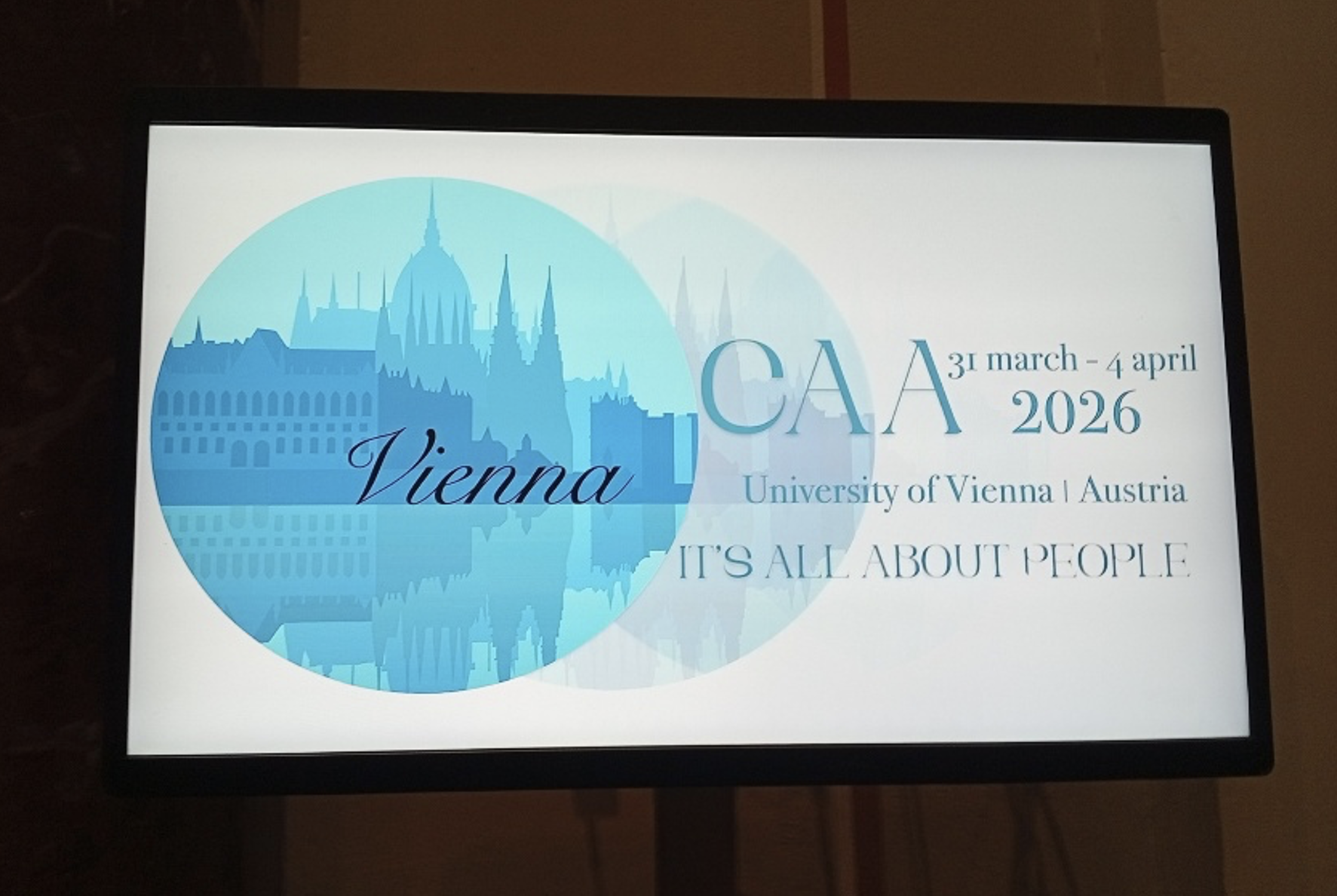
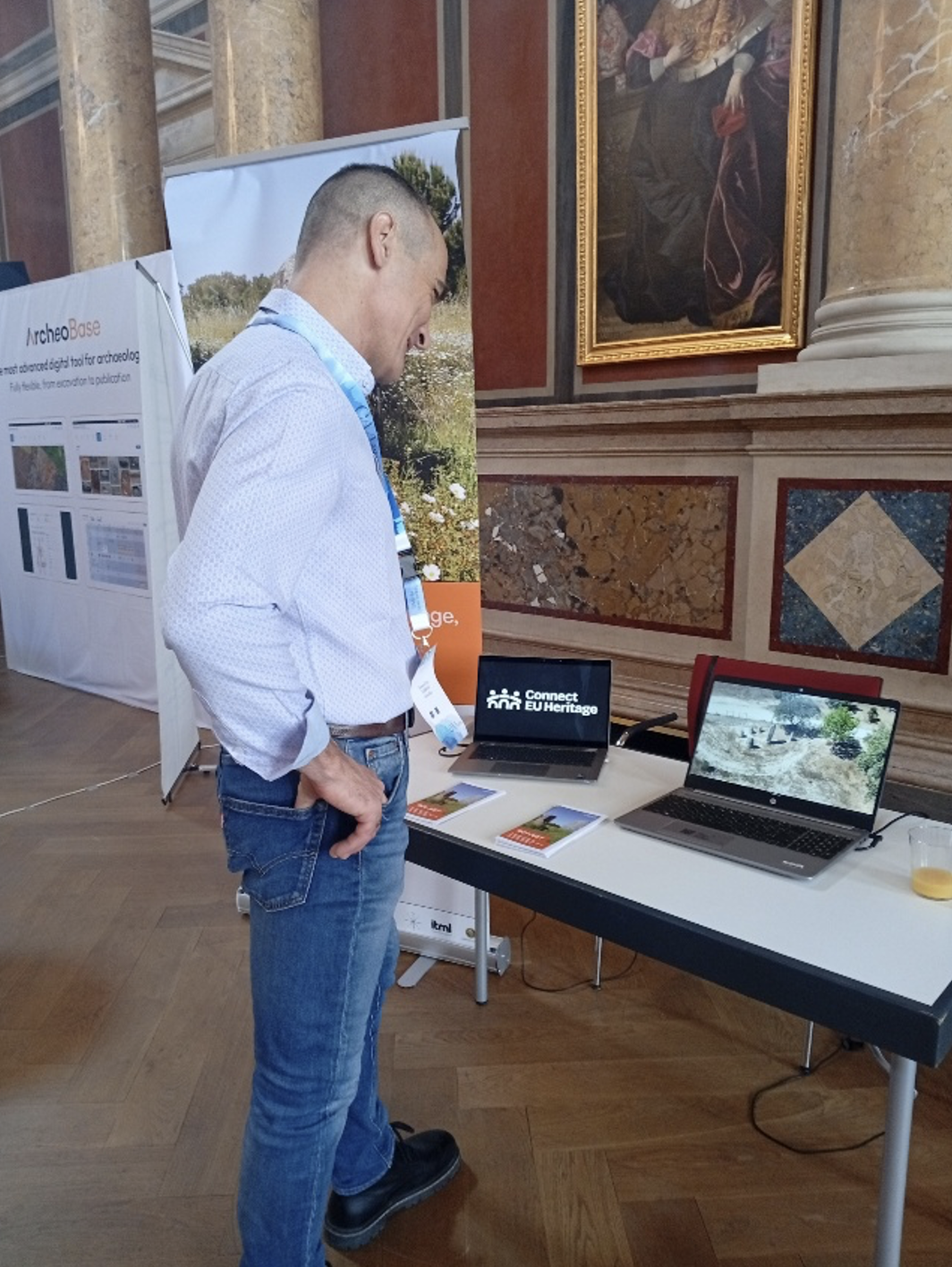
The Information Technologies Institute (ITML) proudly participated as an exhibitor at the 53rd International Conference on Computer Applications and Quantitative Methods in Archaeology (CAA 2026), held in Vienna, Austria, from 31 March to 4 April 2026. As one of the world's leading forums for digital archaeology and cultural heritage technologies, CAA brings together researchers, practitioners, computer scientists, archaeologists, and cultural heritage professionals to explore the latest developments in digital methods, data science, artificial intelligence, and immersive technologies for cultural heritage.
At CAA 2026, ITML had the opportunity to present the Horizon Europe project INT-ACT (Intangible Cultural Heritage: Bridging the Past, Present and Future), alongside the Connect EU Heritage Cluster and several other innovative European initiatives dedicated to shaping the future of digital heritage research and practice.
Showcasing Innovative Approaches to Intangible Cultural Heritage
The INT-ACT project addresses one of the most pressing challenges in cultural heritage today: how to capture, preserve, and communicate the intangible dimensions of heritage that shape our identities, communities, and collective memory. Through the development of novel methodologies and immersive eXtended Reality (XR) environments, INT-ACT seeks to bridge the past, present, and future by integrating Emotional, Experiential, and Environmental (3E) dimensions of intangible cultural heritage into digital heritage experiences.
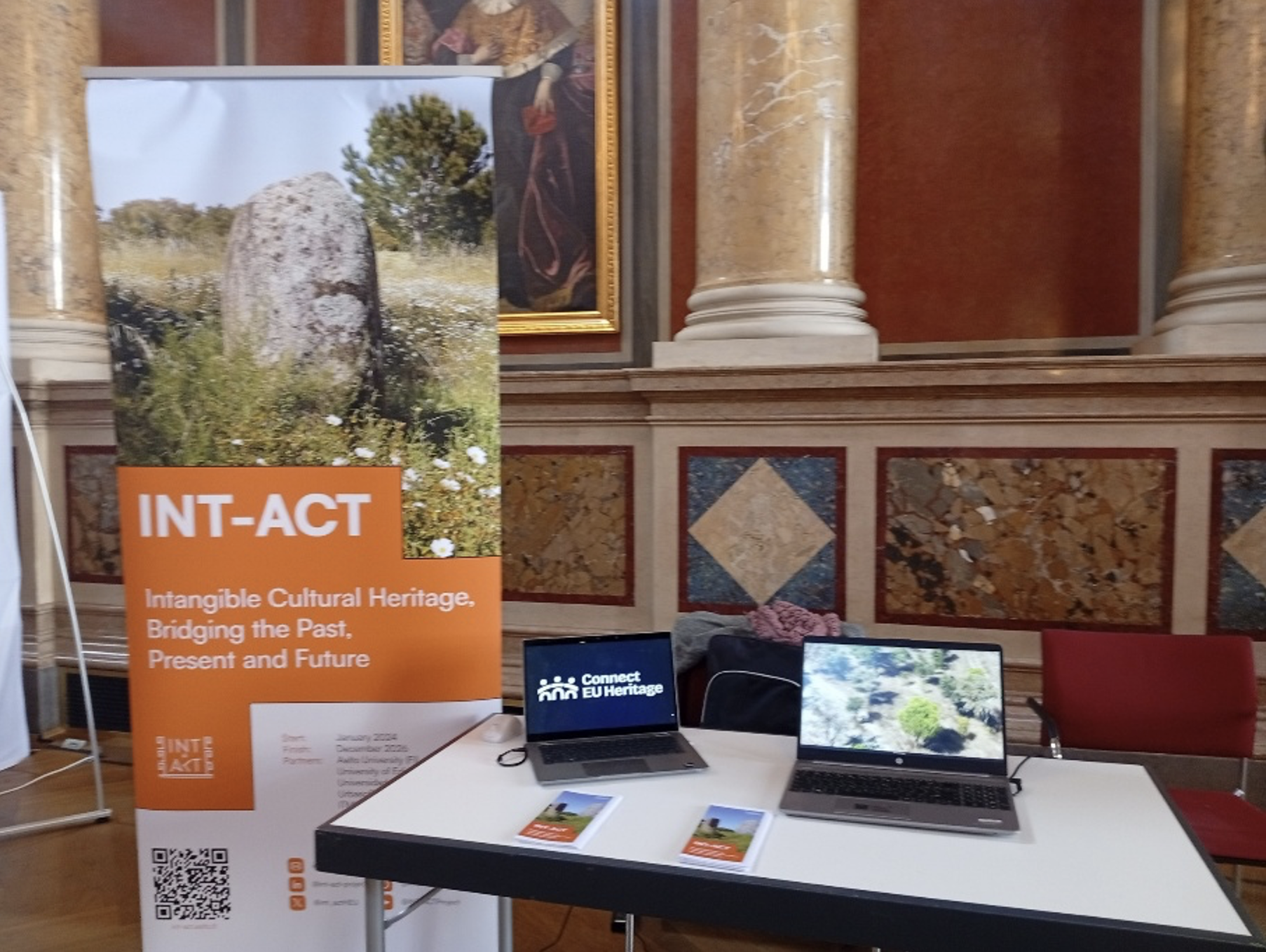
During the exhibition, ITML presented the project's innovative approach to:
❖ extracting and structuring intangible cultural heritage knowledge;
❖ capturing human narratives and lived experiences associated with heritage sites;
❖ developing immersive XR environments that combine tangible and intangible heritage;
❖ addressing contemporary societal challenges through participatory and human-centred digital heritage solutions.
Visitors to the booth had the opportunity to learn more about the project's objectives, ongoing research activities, and emerging demonstrators developed through interdisciplinary collaboration across Europe.
Strengthening European Collaboration in Digital Heritage
Participating alongside the Connect EU Heritage Cluster provided an excellent opportunity to showcase the growing ecosystem of European-funded projects advancing digital cultural heritage. The exhibition facilitated meaningful exchanges with researchers, heritage professionals, policymakers, technology developers, and cultural institutions from around the world.
These interactions highlighted the increasing importance of interdisciplinary collaboration in addressing complex challenges related to cultural preservation, accessibility, inclusion, and public engagement. Discussions focused on the transformative potential of technologies such as extended reality (XR), semantic technologies, artificial intelligence, digital storytelling, and participatory heritage practices.
CAA 2026: A Global Platform for Innovation
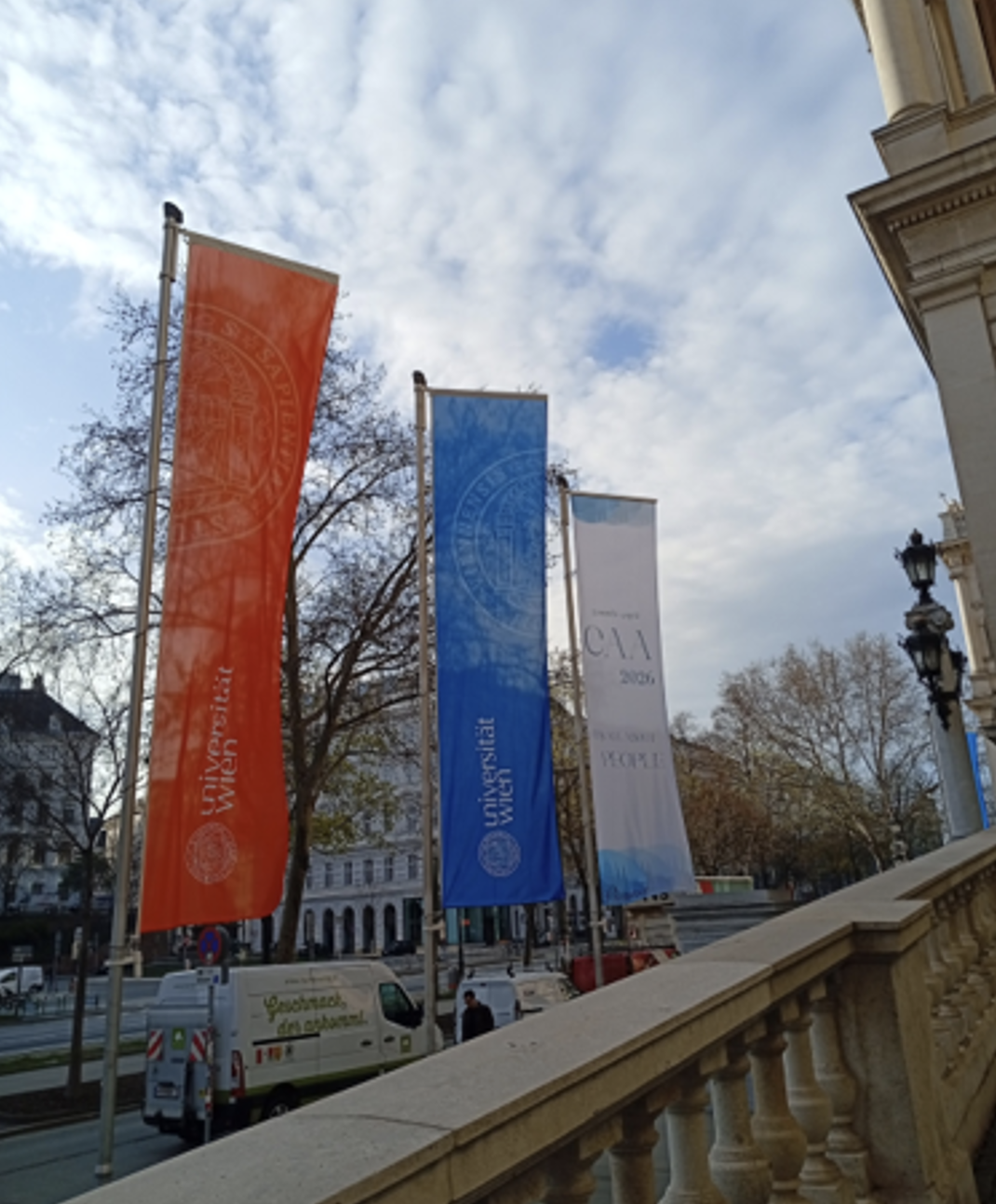
Since its establishment, the Computer Applications and Quantitative Methods in Archaeology (CAA) conference series has served as a leading international platform for advancing digital methods in archaeology and cultural heritage. The 2026 edition continued this tradition by bringing together experts from multiple disciplines to explore innovative approaches to cultural heritage documentation, analysis, preservation, and interpretation.
The conference programme reflected the rapidly evolving landscape of digital heritage, with sessions covering topics such as artificial intelligence applications, linked open data, semantic technologies, immersive environments, digital reconstruction, geospatial analysis, and computational approaches to heritage research.
For the INT-ACT consortium, participation in CAA 2026 represented an important opportunity not only to disseminate project results but also to engage with the broader international digital heritage community and foster new collaborations.
Looking Ahead
ITML's participation at CAA 2026 reaffirmed the importance of collaborative, interdisciplinary, and technology-driven approaches to cultural heritage research. The strong interest expressed by conference participants demonstrates the growing recognition of immersive and participatory methods for preserving and communicating intangible cultural heritage.
We would like to thank everyone who visited the INT-ACT booth and contributed to inspiring discussions about the future of digital heritage. We look forward to continuing these conversations as the project advances towards its final phase and to further exploring how innovative technologies can contribute to more inclusive, accessible, and meaningful cultural heritage experiences for all.
Stay tuned for more updates from INT-ACT and our ongoing efforts to bridge the past, present, and future through digital innovation.